


Jun 29, 2026
Children’s Braces in Cheshire: Why Age 8 Matters for Early Checks
Summer is a natural pause in the family calendar. School slows, routines flex, and you finally have time to book those health checks that slip during term time. If your child is around 8 years old, this is an ideal moment to plan an early orthodontic assessment.
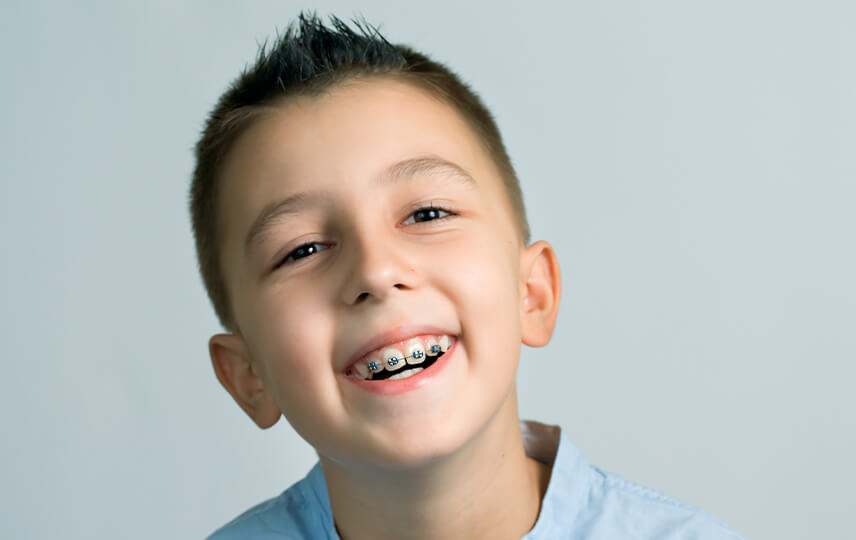
At Cheshire Orthodontics, an early check allows us to see how adult teeth and jaws are developing and advise whether simple monitoring or timely interceptive care could make future treatment easier. Many children do not need braces yet. However, understanding growth patterns now often leads to smoother, shorter, and more predictable care later.
Below, we explain why the age 8 milestone matters, what signs to look for, how early checks can simplify treatment, and what your child can expect at a gentle, child-focused visit in Knutsford.
Why Check Around Age 8?
By age 8, most children have a mix of baby and adult teeth. This is the stage when the front adult teeth and first adult molars are usually present, giving a clear view of crowding tendencies, jaw relationships, and bite function.
An early assessment helps to:
- Confirm whether growth is progressing as expected
- Identify developing crowding or crossbites before they become more established
- Plan the right timing for treatment if it becomes necessary later
- Monitor tooth eruption and jaw development over time
The British Orthodontic Society encourages an orthodontic assessment during the early mixed dentition stage. At Cheshire Orthodontics, Specialist Orthodontist Dr Devesh Shelat (Dr Dev) recommends checks around age 8 so growth can be monitored and parents can receive clear guidance for the future.
Monitoring First, Treatment When It Is Right
An early assessment does not automatically mean braces now.
In fact, many children are simply monitored. Regular reviews allow the orthodontist to track tooth eruption and jaw development, then choose the least invasive option at the most appropriate time.
Monitoring may involve:
- Waiting for a specific adult tooth to erupt
- Watching a mild crossbite that may improve naturally with growth
- Planning a future treatment window that could prevent more complex issues later
The goal is clarity and confidence, not pressure to begin treatment unnecessarily.
Problems Early Checks Can Spot or Prevent
A short specialist review can reveal issues that are often easier to manage when identified early.
Crowding and Spacing
Limited space for adult teeth can often be predicted from arch width and eruption patterns. Early guidance may create room for teeth to erupt more favourably and, in some cases, reduce the likelihood of future extractions.
Bite Problems
Crossbites, underbites, and deep bites can affect tooth wear, jaw function, and facial development. Early intervention may help guide growth and reduce treatment complexity later.
Habits and Airway Concerns
Thumb sucking, finger sucking, tongue thrusting, and mouth breathing can influence jaw development and tooth position. Early advice and collaboration with paediatric dental or ENT professionals may support healthier growth.
Eruption Issues
Impacted teeth or teeth erupting in unusual positions can often be identified during examinations and, where necessary, confirmed with X-rays. Early planning can help avoid future complications.
Signs Parents Can Look for at Home
You do not need to diagnose orthodontic issues yourself, but these signs may indicate that an assessment would be beneficial:
- Persistent mouth breathing
- Snoring or restless sleep
- Thumb or finger sucking beyond age 5 or 6
- Crowded, overlapping, or rotated front teeth
- Crossbites where upper teeth bite behind lower teeth
- Teeth that protrude noticeably
- Early loss of baby teeth
- Baby teeth that do not loosen when expected
If you notice any of these signs, an orthodontic review can provide reassurance and guidance.
What a Gentle, Child-Focused Visit Looks Like
A first appointment at Cheshire Orthodontics is designed to be relaxed and welcoming.
Dr Devesh Shelat personally leads the consultation, providing continuity of care from the very beginning.
Your child's appointment typically includes:
- A friendly discussion about dental history and concerns
- A careful examination of teeth, bite, and jaw development
- Professional photographs
- A precise 3D digital scan
- X-rays if required for diagnosis
Everything is explained in simple, child-friendly language so children feel comfortable and parents leave with a clear understanding of the next steps.
If additional input from a paediatric dentist or another specialist would be beneficial, Dr Shelat can coordinate this as part of a comprehensive treatment plan.
How Timely Planning Simplifies Future Treatment
Early knowledge often reduces future complexity.
Through careful monitoring, your Specialist Orthodontist can:
- Choose the most effective time for interceptive treatment
- Guide jaw growth when appropriate
- Avoid rushing treatment during busy school periods
- Reduce the duration or complexity of later comprehensive treatment
- Improve the likelihood of a healthy, stable result
For some families, summer is also a convenient time to begin treatment if it is appropriate. Children can adjust to new routines, establish good cleaning habits, and become comfortable before school resumes.
If clear aligners become suitable during the teenage years, options such as Invisalign® can offer a discreet and flexible alternative. You can learn more about Invisalign® treatment options on the Cheshire Orthodontics website.
Braces Options When the Time Comes
When treatment becomes necessary, recommendations are tailored to your child's needs, lifestyle, and orthodontic goals.
Options may include:
- Traditional fixed braces for reliable and precise control
- Ceramic braces for a more discreet appearance
- Lingual braces positioned behind the teeth for complete discretion
The most suitable option depends on the bite, growth pattern, and treatment objectives discussed during your consultation.
You can learn more about available treatment options through our braces and lingual braces information pages.
Frequently Asked Questions
When should my child first see an orthodontist?
Around age 8 is often ideal. There is enough adult tooth development to assess crowding and bite relationships while still allowing time to guide growth if needed.
Does an early assessment always mean braces now?
No. Most children are monitored rather than treated immediately. Early assessments help determine the most effective timing for any future treatment.
What problems can early checks spot or prevent?
Developing crowding, crossbites, underbites, deep bites, eruption concerns, and issues associated with habits or mouth breathing can all be identified and monitored early.
How do you make visits comfortable for children?
Appointments are calm, friendly, and child-focused. Dr Devesh Shelat explains every step clearly, uses modern digital scanning technology, and works closely with families to create a positive experience.
Planning Ahead of the New School Year
If your child is 8 or approaching that age, now is an excellent time to arrange an assessment. A short specialist-led visit can provide reassurance, a personalised monitoring plan, and clear guidance about whether treatment may be needed in the future. Families across Knutsford and Cheshire value the continuity of care, detailed digital planning, and specialist expertise provided by Dr Devesh Shelat.
To arrange a free in-person consultation with Specialist Orthodontist Dr Devesh Shelat at Cheshire Orthodontics, visit our website. If you would like to learn more first, our children's orthodontics page explains how monitoring and timing support healthy, stable results.
Key Takeaways
- An orthodontic assessment around age 8 helps identify developing growth and bite concerns early.
- Most children do not require braces immediately and are simply monitored.
- Early monitoring often makes future treatment simpler, shorter, and more predictable.
- Signs to watch include crowding, bite problems, mouth breathing, and prolonged thumb sucking.
- Gentle, specialist-led care helps children feel comfortable while giving parents confidence in future planning.
Your Next Step
If your child is approaching age 8, now is the ideal time to schedule an orthodontic assessment before the new school year begins.
A simple consultation can provide clarity, reassurance, and a personalised roadmap for your child's future smile. Whether treatment is needed now or years down the line, Cheshire Orthodontics is here to guide your family every step of the way.
Book your free consultation for your child's early assessment in Cheshire.
Back