


May 13, 2026
Will my teeth move back if I don’t wear my retainer?
You have finished your braces or clear aligner treatment and your smile looks exactly how you hoped. This is the moment patients look forward to. It is also the point where a quiet but essential phase begins: retention.
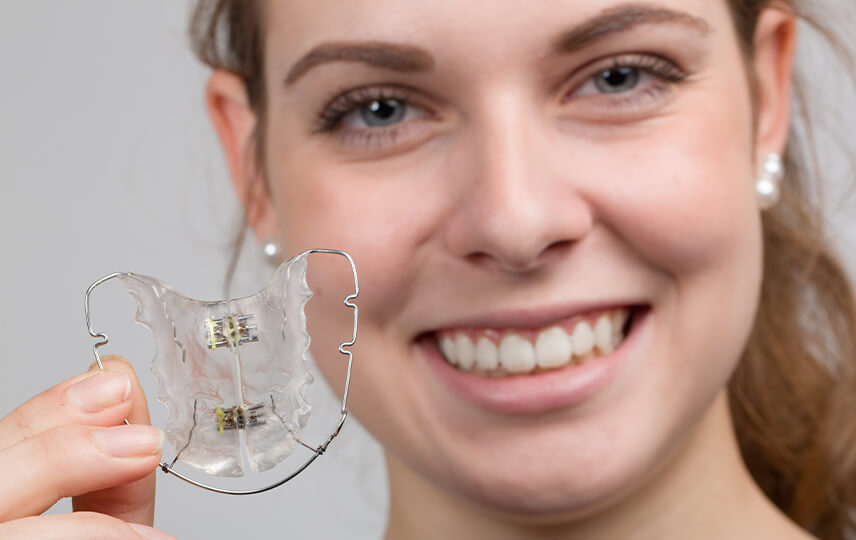
At Dr Devesh Shelat - Cheshire Orthodontist, retention is planned from day one. The goal is simple, to keep your teeth where you and your clinician have placed them, comfortably and predictably, for the long term. This article explains why teeth can drift without a retainer, how long retainers are typically needed, the types we use, and what to do if one is lost, broken or no longer fits.
If you want the short answer first, yes, teeth often move back if you do not wear a retainer. The good news - with a tailored retainer plan and supportive follow-up, you can protect your result.
Why teeth move without a retainer
Teeth sit in a dynamic environment. After braces or aligners, the bone and periodontal fibres around your teeth are remodelling and settling. These fibres have a natural elastic memory and can try to pull teeth toward their old positions. Everyday forces also act on teeth, such as chewing, swallowing, speaking, and even subtle changes in gum health. Growth and ageing continue to reshape your bite and facial muscles too.
A retainer counters these influences while the supporting tissues stabilise, then continues to act as a gentle seat belt during night-time wear. Without it, relapse is common. Some people notice slight spacing or rotation within weeks if they stop wearing their retainer early; others see gradual changes over months or years. The degree varies, but the principle is consistent - teeth will try to move.
How important is the retention phase?
Retention is as important as active treatment. Braces or aligners position the teeth, retention preserves that position. At Dr Devesh Shelat – Cheshire Orthodontist, we treat retention as part of your treatment plan, not an optional extra. Dr Dev designs your retainer strategy around your bite pattern, gum health, age, and how your teeth were moved. This individualised approach supports stability and comfort while fitting your lifestyle.
We also use Dental Monitoring, a remote check-in system for patient-submitted smile selfies, to keep an expert eye on your retainers, fit, and hygiene. It reduces some in-person visits while maintaining clinical oversight, and it lets us respond quickly if anything changes.
Types of retainers and who they suit
Most patients benefit from a combination of fixed and removable retainers. The right set-up is decided with you and explained clearly before your braces or aligners are removed.
Fixed retainer
A slim, custom wire bonded to the inner surface of your front teeth (usually canine to canine). It is discreet, always working, and ideal if you had crowding or rotations at the front. You brush and floss around it - we show you how to keep it clean.
Removable retainer
A clear, custom-formed tray (often called a vacuum-formed retainer) that fits over your teeth. It is comfortable, nearly invisible and easy to wear at night. It also acts as a reference to check whether any movement is occurring.
Many adults and teens choose both - a fixed retainer for day-in, day-out protection and a removable one for night-time reassurance and periodic fit checks. If you prefer a removable-only plan, we will guide you on consistent wear and timely replacements.
How long do I need to wear a retainer?
Expect two phases:
Initial settling
Typically full-time wear of your removable retainer for the first weeks, then a transition to nights only. If you have a fixed retainer, we often go straight to night-time wear with the removable.
Long-term protection
Ongoing night-time wear. Teeth and soft tissues change with age, so long-term, often life-long, night-time wear is a sensible, low-effort habit to keep your result stable.
Your exact schedule is tailored by Dr Dev. It can vary with your tooth movements, gum health, and whether you have a fixed retainer.
Comfort, hygiene, and daily routines
A well-made retainer should feel snug but not painful. Slight pressure when you first insert it after a day’s break means it is doing its job and your teeth needed gentle guidance back to position.
Hygiene is straightforward:
- Brush your fixed retainer area carefully and use floss threaders or interdental brushes to clean around the wire.
- Rinse your removable retainer with cool water after use, brush it gently with a soft brush and non-abrasive cleaner, and let it air dry in its case. Avoid hot water which can warp the plastic.
Consistent, simple care keeps retainers fresh and your gums healthy.
What if my retainer is lost, broken, or no longer fits?
Act sooner rather than later. Time matters because teeth can begin to drift if left without guidance.
Lost
Contact us promptly so we can scan and supply a replacement. If you also have a fixed retainer, that wire continues to protect your front teeth in the meantime.
Broken or cracked
Stop wearing it if it is sharp or misshapen. Call us to repair or replace. Do not try to fix it with glue.
No longer fits
Do not force it. Minor tightness is normal; a retainer that will not seat suggests movement. We will assess whether a new retainer will recapture the position or if limited aligner refinement is advisable.
Dr Devesh Shelat offers replacement retainers and an optional retainer club for annual checks and maintenance. We discuss costs clearly and, where helpful, flexible payment options. Specific fees vary by case and are confirmed during your consultation.
Digital Monitoring for reassurance and fewer visits
With Dental Monitoring, you send quick smile selfies from home. Dr Dev reviews your retainer fit, gum health cues and any early changes. Many patients appreciate the reassurance and the convenience of fewer in-person trips, while still knowing a Specialist Orthodontist is overseeing their stability.
If you are considering discreet treatment that sets you up well for retention, explore our options for Invisalign® in Cheshire or ceramic braces if you prefer fixed but subtle brackets.
FAQs
Will my teeth move back if I do not wear my retainer?
Yes. The degree varies, but relapse is common without retention because periodontal fibres and everyday forces can nudge teeth toward old positions.
How important is the retention phase?
It is essential. Retention protects the time and care you invested in treatment. At Dr Devesh Shelat – Cheshire Orthodontist it is planned from the outset and supported by Digital Monitoring where suitable.
How long should I wear a retainer, and which type is best?
Expect night-time wear long term after an initial settling period. Many patients do best with a fixed retainer plus a clear removable retainer. Dr Dev recommends your set-up based on your bite and goals.
What if my retainer is lost, broken, or does not fit?
Contact us quickly. We can repair or replace the appliance and advise if a simple new retainer will recapture the position or if limited refinement is more appropriate.
Why choose Dr Devesh Shelat for retention care
Stability starts with precise planning. As a Specialist Orthodontist, Dr Dev designs tooth movements with retention in mind, using accurate digital scans, bespoke retainers and clear aftercare. You receive continuity of care, calm explanations and options that respect your preferences, whether you had aligners, lingual braces or fixed braces.
If you are comparing systems or thinking about starting treatment, you can read more about our braces options in Cheshire and how we approach long-term retention.
Next steps
If you have completed treatment and want a replacement retainer, or you are planning orthodontics and want a retention-first approach, book a free in-person consultation with Dr Devesh Shelat in Knutsford. You will meet Dr Dev, review your goals and receive a bespoke plan for treatment and retention.
Back